Rug Pull: Understanding the Scam and How Meme Coins Are Launched
Key takeaways
- Rug pulls are often pre-programmed scams built into smart contracts from launch.
- Fake liquidity pools and locked tokens can be manipulated to trap investors.
- Admin backdoors grant scammers complete control over token functions.
- Engineered tokenomics rig supply and emissions to maximize exit profits.
- Forensic on-chain analysis reveals red flags before the rug pull occurs.
Rug pulls represent one of the most common and destructive scams in the cryptocurrency space, particularly prevalent in the fast-moving world of meme coins. A rug pull is a type of exit scam where developers create a token, attract investors, then suddenly withdraw liquidity or manipulate the token’s smart contract to steal funds, leaving holders with worthless coins. Understanding rug pulls is crucial for traders, investors, and developers alike to avoid becoming victims.
What Is a Rug Pull in Crypto?
A rug pull is a deliberately engineered scam embedded in a token's smart contract that allows the creators to drain liquidity and exit with investors’ money. Unlike random hacks or failed projects, these scams are coded from day one with specific mechanisms to maximize profits for scammers and minimize detection.
The key elements include:
- Manipulated Tokenomics – The total supply, emission schedule, and distribution are designed to enable a massive sell-off at the right moment.
- Liquidity Pool Illusions – Pools may appear locked or safe but have hidden dependencies or backdoors.
- Admin Backdoors – Permissions in the smart contract that allow developers to change rules, freeze transactions, or remove liquidity unilaterally.
- Kill Switch Logic – Code that activates only when certain conditions like peak TVL (Total Value Locked) are met, triggering the exit.
For a practical resource and deeper insights into these mechanics, visit launch-tool.org which offers tools and educational content on spotting and analyzing rug pulls.
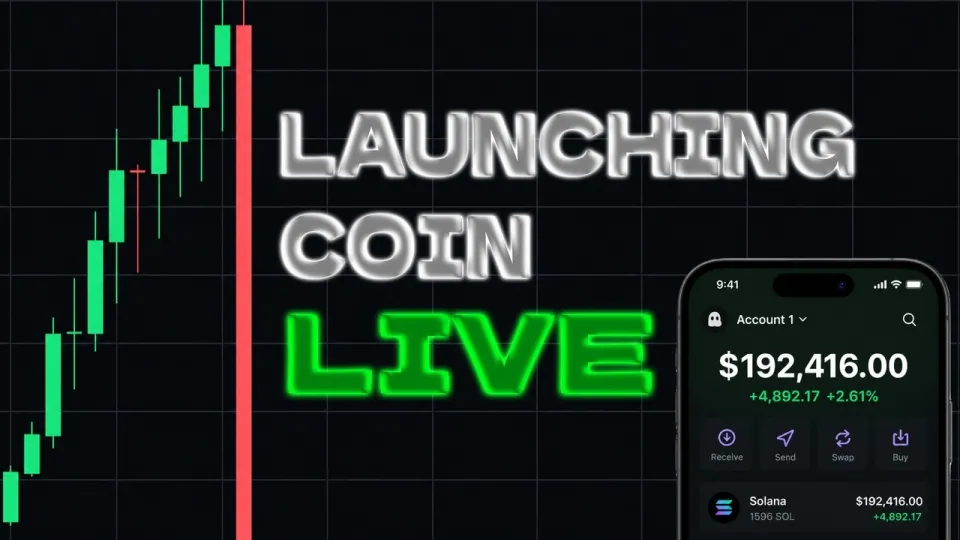
Video: Rug Pull Guide How to Launch a Meme Coin Step-by-Step
Engineered Tokenomics: The Blueprint of Rug Pull Profits
Tokenomics are the economic rules of a cryptocurrency token and are often weaponized in rug pulls. Scam developers create tokens with excessive total supply or inflate emission rates to ensure they hold a large share of tokens that can be dumped later.
Typical tactics include:
- Large developer allocations that remain hidden or unvested until the exit.
- Inflated liquidity provision where initial liquidity is artificially high but backed by unstable tokens.
- Emission schedules that flood the market with tokens just before the rug pull, causing price crashes.
By designing these parameters carefully, scammers ensure they profit massively while retail investors lose their stake.
Liquidity Pool Illusions and Fake Locks
Liquidity pools are essential for trading tokens on decentralized exchanges (DEXs), but scammers exploit this by creating fake or pseudo-locked liquidity. They may:
- Lock liquidity tokens in a contract that appears secure but has embedded backdoors allowing withdrawal.
- Use multi-layered smart contracts where liquidity depends on other contracts controlled by the scammers.
- Present fake audit reports or misleading verifications to build trust.
Investors often check for locked liquidity as a safety measure, but these illusions can deceive even experienced traders.
Admin Backdoors and Permissions: Hidden Control
Smart contracts governing meme coins often include admin permissions that grant developers extraordinary powers. These backdoors can be disguised as harmless features but allow:
- Changing transaction fees or limits.
- Freezing or blacklisting addresses.
- Removing liquidity from pools instantly.
- Minting new tokens to dilute holders.
These permissions remain dormant until scammers decide to execute the rug pull, making the token’s governance appear normal until the exit event.
The Kill Switch: Timing the Exit
Many rug pull tokens include a "kill switch" — a logical condition in the smart contract that activates the exit scam only when the token’s Total Value Locked (TVL) or price reaches a peak. This strategic delay maximizes profits by:
- Allowing hype and pump phases to attract more investors.
- Triggering the liquidity drain at the moment of maximum funds locked.
- Minimizing suspicion by staying dormant during initial phases.
Understanding this pattern helps investors recognize when a token is likely to collapse.
How to Spot Rug Pulls Before They Happen
Detecting rug pulls requires forensic on-chain analysis and careful review of the token’s smart contract and market behavior. Key red flags include:
- Unusual or excessive admin permissions.
- Liquidity pools that are "locked" but controlled by a single wallet.
- Tokenomics favoring developers with large undisclosed allocations.
- Rapid price pumps with no fundamental backing.
- Lack of transparency or unverifiable audits.
Using blockchain explorers, contract verification tools, and platforms like launch-tool.org can help perform these checks.
Common Questions About Rug Pulls
Many traders wonder if rug pulls always involve complex smart contracts or if they can happen on popular blockchains like Solana. While Solana meme coins have seen rug pulls, scams adapt to any blockchain's features. Regardless of platform, the combination of tokenomics, liquidity manipulation, and hidden admin controls remains consistent.
Useful Links
- launch-tool.org – Educational resources and tools to analyze smart contracts and detect scams.
Итог
Rug pulls are not random failures but carefully crafted exit scams embedded deep in tokenomics, liquidity structures, and smart contract permissions. By understanding these mechanisms, investors can avoid becoming exit liquidity. The breakdown from New brand channel provides invaluable insights into these scams. For further learning and tools, visit launch-tool.org.
Source: Rug Pull Guide How to Launch a Meme Coin Step-by-Step · Markdown version
Questions & answers
What exactly is a rug pull in cryptocurrency?
A rug pull is a scam where developers create a token and manipulate its smart contract or liquidity to steal investors' funds by suddenly withdrawing liquidity or dumping tokens.
How do scammers use admin backdoors in rug pulls?
Admin backdoors are hidden permissions in the smart contract that allow scammers to control token functions like freezing transactions, removing liquidity, or minting tokens to execute the rug pull.
Can rug pulls happen on major blockchains like Solana?
Yes, rug pulls can happen on any blockchain including Solana. Scammers adapt their tactics to the features of each platform, but the core mechanisms involving tokenomics and liquidity manipulation remain similar.
How can I protect myself from falling victim to a rug pull?
Protect yourself by analyzing tokenomics, verifying liquidity locks, checking for admin permissions in smart contracts, and using forensic tools and resources like launch-tool.org to spot red flags before investing.